
The escalation of the U.S.-Iran conflict has jolted global markets, sending oil prices soaring while gold and silver come under pressure. All three major U.S. stock indexes closed lower. This article explains geopolitical risk, inflation expectations, and shifts in global asset allocation.
Escalation in the U.S.-Iran conflict sparks global market turmoil: oil surges, gold and silver under pressure, U.S. stocks close lower together
Keywords: U.S.-Iran conflict, international oil prices, gold prices, silver prices, U.S. stocks fall, risk appetite, global markets
Introduction
According to Daxihe Cailifang, the escalation of the U.S.-Iran conflict has quickly pushed global financial markets into a risk-off and repricing phase. Investor risk appetite has fallen sharply, and funds have moved from risky assets toward more defensive areas. But market reaction has not followed the traditional pattern of "all precious metals rising." Instead, it has produced a split move: oil prices surged while gold and silver fell sharply. At the same time, the three major U.S. stock indexes all closed lower, showing that geopolitical risk is having a broad impact on global asset prices.
This wave of volatility is not driven by a single event alone. It is the result of geopolitical conflict, inflation expectations, the dollar, and market liquidity all working together. For global investors, this is not just a short-term market disturbance, but a fresh reminder to rethink energy security, inflation transmission, and asset-allocation logic.
As geopolitical risk rises, safe-haven sentiment spreads quickly
After the U.S.-Iran conflict escalated, the market's first response was concern over the stability of Middle East energy supply chains. The Middle East is one of the world's most important crude-supply regions, and any military friction, shipping disruption, or risk to key facilities can quickly push oil prices higher. Expectations of a potential supply interruption drove a notable rise in crude prices, making energy stocks a key focus for capital.
At the same time, risky assets came under clear pressure. Equity markets are usually sensitive to geopolitical conflict, especially when the conflict could escalate further and affect global trade and macro expectations. Investors often choose to reduce exposure, raise cash, or move into defensive assets. The three major U.S. indexes closing lower is a direct reflection of this risk-averse sentiment.
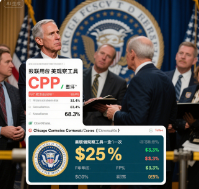
Why crude oil surged first
From an asset-pricing perspective, crude oil is usually more sensitive to geopolitical shocks than other commodities. There are three reasons: first, oil supply and demand are fragile, and there are few short-term substitutes; second, concerns about supply disruption often appear before any actual disruption; third, futures markets tend to generate a rapid rise in risk premium.
In the current backdrop, the rise in oil prices reflects not only a sharp shift in sentiment, but also a new risk to the global inflation path. If oil stays high for long, costs for transport, chemicals, aviation, and manufacturing will rise, hurting corporate margins and end-user prices. For central banks already caught between expectations of rate cuts and falling inflation, this makes policy decisions even harder.
Gold and silver fall sharply, but that does not mean safe havens have failed
Notably, gold and silver prices fell sharply even as risk appetite weakened, which is not fully consistent with the usual market narrative. Gold is traditionally seen as a safe-haven asset, but in a complex market environment its price is influenced not only by safe-haven demand, but also by the dollar index, real yields, profit-taking, and margin liquidations.
The pressure on gold and silver may mainly stem from three factors: first, after earlier gains, there is a technical need to correct, and some funds are locking in profits; second, if the dollar strengthens and real yields rise, the appeal of non-yielding assets falls; third, when liquidity tightens, investors may sell more liquid precious metals first to meet margin needs. So the drop in gold and silver does not mean safe-haven demand has disappeared; it means short-term pricing forces have changed.
The three major U.S. indexes all close lower as risky assets are repriced
As a key global barometer for risk assets, U.S. stocks are highly sensitive to international developments. An escalation in conflict not only pushes energy prices higher, but can also raise operating costs, dampen consumer confidence, and weaken expectations for earnings growth. Tech stocks and high-valuation growth stocks are especially vulnerable in an environment of uncertain rate expectations and rising risk premia.
From a sector perspective, energy assets usually benefit relative to the market, while industries that rely on cheap energy and stable supply chains come under greater pressure. If oil keeps rising, fears of "higher inflation - rates staying elevated - valuation compression" will deepen, and stock volatility may persist. For U.S. equities, such external shocks often magnify already existing internal variables such as economic slowdown, fiscal pressure, and policy disagreement.
Impact on global markets: more than just a short-term move
The market reaction to the U.S.-Iran conflict actually highlights the fragility of the current global financial system. On one hand, geopolitical risk is interacting with energy supply, inflation expectations, and monetary policy in a complex way. On the other, global asset prices, already at elevated valuations, are more sensitive to any sudden event.
For China and other emerging markets, higher oil prices could mean greater imported inflation pressure, while a U.S. stock correction could trigger a chain reaction of weaker external risk appetite and cross-border capital reallocation. At the corporate level, energy-intensive industries need to reassess cost pressure. At the investor level, asset diversification and risk management matter more than relying on a single hedge against uncertainty.
Conclusion
Overall, the escalation of the U.S.-Iran conflict is becoming an important variable disrupting global financial markets. The surge in oil prices reflects supply worries and rising risk premiums, while the fall in gold and silver shows the pressure from the dollar, rates, and liquidity on precious-metal pricing. The three major U.S. indexes closing lower indicates that risky assets have already begun to reprice geopolitical shocks.
Over the next period, market direction will still depend on whether the conflict keeps escalating, whether the oil supply chain suffers material disruption, and whether major economies adjust monetary policy as a result. For investors, the priority now is not to chase short-term swings, but to identify how geopolitical risk is transmitted across asset classes and to stay cautious and balanced as uncertainty rises.